5 Things an Ancient Fortified God Rock Base Teaches About Surviving Solo Rust Wipes
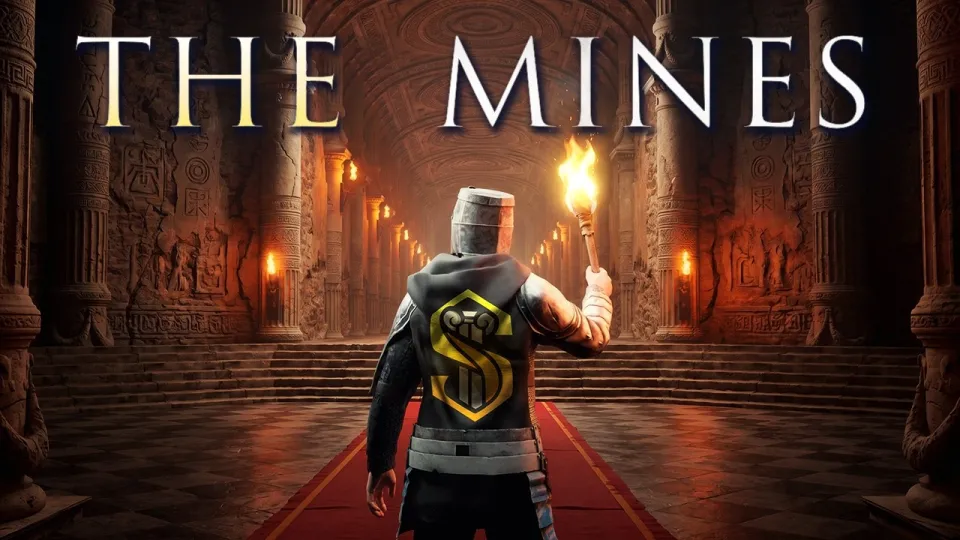
Video: I Survived in an ANCIENT FORTIFIED god rock base in Rust..
You can order the same kind of articles for your own video to boost it on YouTube and Google. Just message the Telegram bot @sat_sit_bot. It writes articles around your video, embeds the video and publishes them on popular niche websites (no ads). Your first 50 articles are free.
· based on the channel Solutize
A god rock base in Rust is a structure built into one of the map's immovable rock formations so that the rock itself becomes part of the walls, and the ancient fortified variant layers stone, honeycomb and turrets around that core to survive a solo wipe. In his solo wipe video, Solutize takes that concept onto a server with around 1000 players and shows what it actually takes to hold ground alone; you can watch the recording sessions live on his Twitch channel.
What makes a god rock base so strong in Rust
The strength of a god rock base comes from geometry, not from expensive materials. Certain rock formations on the standard Rust map have overhangs, gaps and vertical faces that cannot be destroyed, so a builder can place foundations and walls so that the only way into the loot rooms passes through doors the owner controls. Raiders can blow up a wooden door or a sheet metal wall, but they cannot blow up the rock. That means every explosive charge a raid group spends has to be aimed at a player-built surface, and a smart builder makes that surface as long and as expensive as possible.
The "ancient fortified" idea adds a theme and a defensive logic on top of that: stone and wood aesthetics on the outside, but a layered interior with several airlocks, a protected core and firing positions that overlook the approach. For a solo player, this is the difference between a base that gets scouted and ignored and a base that gets wiped on the first night.
5 pillars of a solo god rock setup
- Rock selection. Not every rock works. The best candidates have a flat top for a shooting floor, a narrow entrance the owner can cover, and enough vertical space to hide a loot room behind two or three doors.
- Honeycomb and airlocks. Every entrance needs at least two doors before the loot, ideally more, and the honeycomb should force raiders to spend explosives on cheap walls before reaching anything valuable.
- Shooting floor and turrets. A solo defender cannot watch every angle, so automated turrets covering the door and the roof are worth more than extra boxes of loot.
- Compact loot. Storing everything in one room is a single point of failure; splitting high-value items between a hidden core and a decoy room keeps a partial raid from ending the wipe.
- Resource loop discipline. Without teammates, every scrap, sulfur and metal fragment has to be farmed by the same player who defends, so the base should sit near a monument and a recycler rather than in a scenic corner.
How a solo player survives a 1000-player server
On a high-population server the danger is not one big clan but constant traffic: neighbors farming, roamers checking doors, and raiders who test a base with a few satchels before committing. Survival comes down to information and timing. Building during low-population hours, keeping the exterior modest, and avoiding noisy activities like firing rockets near your own base all reduce the chance of being scouted.
A solo wipe also lives or dies on the first two days. Getting a furnace, workbench and basic guns up quickly matters more than perfect architecture, because a half-finished fortress with no weapons is just a bigger target. Once the core is sealed and turrets are online, the base starts paying for itself by protecting the loot from monuments and cargo runs.
Defending the rock: raid defense basics
Raid defense in a god rock base is mostly about forcing the attackers into a predictable path. Listen for the first explosion, identify which side is being breached, and use the rock's height to shoot down onto the breach instead of running out of the front door. Turrets should be placed so they cover the breach zone without blocking the defender's own line of fire.
If the raid is overwhelming, the correct play is often to seal the breach, move valuables to the hidden core and wait the attackers out. Raiders on a busy server rarely commit unlimited explosives to a base that keeps costing them gear, and a solo defender who trades one-for-one on every push usually wins the economic exchange.
Common questions from newer Rust players
Players who are new to the game often wonder whether a god rock base is worth the effort compared to a simple 2x2. The honest answer is that it depends on the wipe: on a crowded server where neighbors are aggressive, the rock geometry saves more sulfur than the extra building cost, while on a quiet server a compact starter base gets you to guns faster. Others ask about scientists and monument routes, since loot from monuments is what funds the base in the first place; learning safe angles and box placements at a monument pays off more than any single blueprint.
A recurring theme in the community is also motivation: many viewers say they have never played Rust but enjoy the story-driven videos, and others treat a weekly solo wipe as relaxing background viewing. That is exactly the niche Solutize fills — commentary that explains the thinking behind each decision instead of only showing the highlights.
Where to follow the wipe and the community
All the links from the video are collected here:
- Live recording sessions: https://www.twitch.tv/solutized
- Community Discord: https://discord.gg/57vX6Yvga6
- Second Discord invite: https://discord.gg/F9kEQWZjnd
Final thoughts
A solo god rock base is not a magic shield; it is a structure that converts map geometry into time, and time into the resources a lone player needs to stay competitive. Solutize's ancient fortified build shows the full loop — scouting a rock, layering defenses, farming monuments and defending under pressure on a server with roughly 1000 players. The breakdown above is based on the solo wipe video from the Solutize channel, where weekly solo runs and story-driven Rust movies are the core of the content. If you want to see the decisions happen in real time rather than edited, join the live sessions on Twitch and follow along with the next wipe.
Key takeaways
- Solutize built the base solo on a server with around 1000 players online.
- A god rock base uses an unraidable rock formation as the core of the structure.
- The video was published on Solutize's channel on 2026-10-01 and is edited by @junkhe4d550.
- Solo wipes demand tight resource loops because there is no team to split farming or defend.
- Solutize streams these wipe sessions live on Twitch and posts weekly solo videos.
Questions & answers
Is a god rock base actually unraidable in Rust?
No base in Rust is truly unraidable. A god rock base simply uses indestructible rock geometry to make the player-built part of the structure the only path to the loot, which forces raiders to spend far more explosives than on a normal base of the same size.
Can a solo player really hold a base on a 1000-player server?
Yes, but it requires discipline rather than raw skill. Building during quiet hours, keeping the exterior unremarkable, splitting loot between a hidden core and a decoy room, and trading efficiently during a raid are what let a solo player survive on a crowded server.
How much should I invest in turrets as a solo player?
Turrets are usually the best value per scrap for a solo defender, because they cover angles you cannot watch yourself. Prioritize one turret covering the main entrance and one covering the roof or shooting floor before spending on extra loot storage.
Why do people watch solo Rust wipes instead of playing?
Solo wipes are a compact story: a player starts with nothing, builds something ambitious, and defends it against the server. Commentary that explains the reasoning behind each decision makes the video useful as a guide as well as entertainment, which is the format Solutize uses on his channel.
Source: I Survived in an ANCIENT FORTIFIED god rock base in Rust.. · Markdown version